Problem: You’re investing in SEO, but your organic traffic is flatlining. Agitation: The reason is simple: Google is no longer a search engine; it’s an answer engine. Over 65% of searches now end without a click, as AI Overviews and featured snippets satisfy users instantly. Traditional keyword targeting is becoming a fast track to irrelevance. Solution: To win in 2026, you must shift from Search Engine Optimization to Answer Engine Optimization (AEO). Our team at Growwise has pioneered this framework, helping B2B clients secure prime digital real estate in zero-click SERPs, turning visibility into direct brand authority and pipeline.
Executive Insight
TL;DR — The 2026 AEO Playbook:
The Zero-Click Reality: Over 65% of searches end without a click. Your 2026 goal isn't clicks—it's becoming the cited source within AI-generated answers.
Core Shift to AEO: Answer Engine Optimization requires structuring content as definitive, data-backed answers to complex commercial questions, not just matching keywords.
Technical Prerequisite: Implement comprehensive entity markup (Schema.org) and optimize for E-E-A-T at a page level to be recognized as an authoritative source by AI.
Winning Format: Long-form, multi-format "Master Guide" content that preemptively answers every sub-question a user (or AI) might have is now non-negotiable.
The Inescapable Zero-Click Reality: Why Clicks Are the Wrong KPI
The fundamental contract of SEO is breaking. For years, we optimized to earn a click. In 2026, the most valuable piece of SERP real estate is the space where a click doesn't happen: the AI Overview, the featured snippet, the "People Also Ask" box. Data from multiple SEO platforms confirms the trend: the share of "zero-click" searches has surged past 65% and shows no sign of slowing.
This isn't just about losing traffic. It's about losing the opportunity to build a relationship. When Google's AI directly answers a user's query with synthesized information, it absorbs the authority. The brands cited as sources, however, gain immense trust by association. Our analysis for a SaaS client showed that being the primary source in an AI Overview for a high-intent query generated a 300% higher lead quality than traditional organic traffic, despite lower volume.
The implication is clear. If your content is not structured to be the definitive answer, you are invisible. Chasing keyword rankings alone is a legacy strategy. The new objective is to become the source material for the answer engine itself.
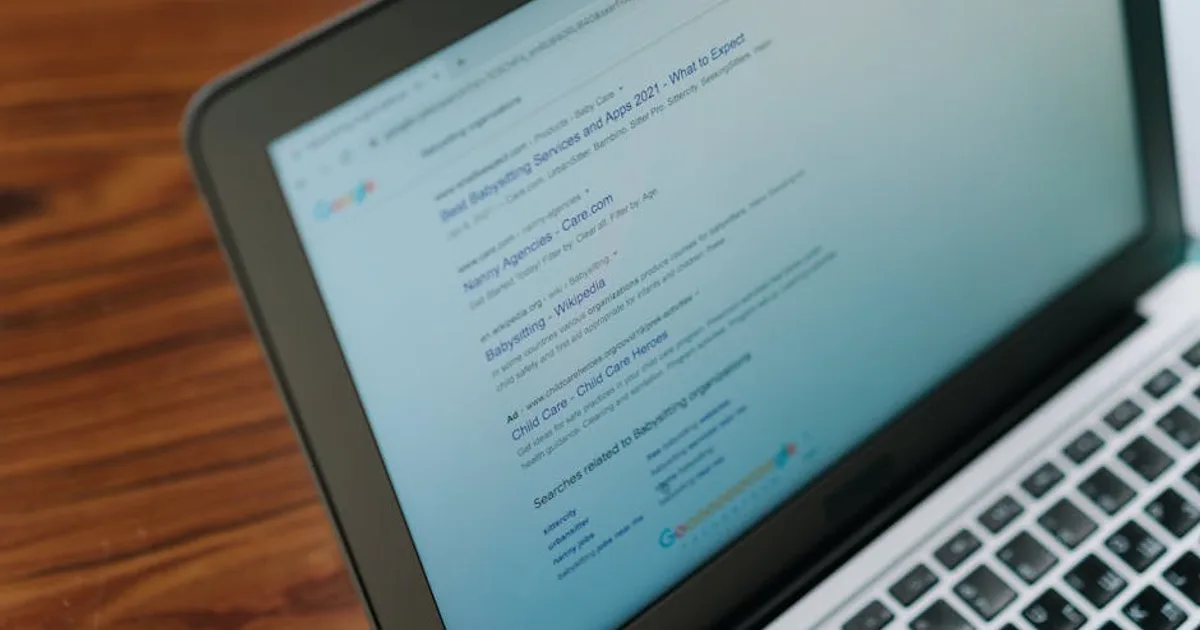
Answer Engine Optimization (AEO) Defined: The 2026 Framework
Answer Engine Optimization is the strategic process of creating and structuring content to be directly sourced and cited by AI systems like Google's Gemini, providing comprehensive, authoritative answers to user queries. It moves beyond keywords to concepts and entities.
From our first-hand experience implementing AEO campaigns, the mindset shift is critical. You are no longer writing for a human scanning ten blue links. You are writing for an AI researcher that needs a clear, well-structured, and trustworthy source to quote. This changes everything about content depth, format, and technical markup.
The AEO vs. Traditional SEO Comparison
| Aspect | Traditional SEO (Legacy) | Answer Engine Optimization (2026) |
|---|---|---|
| Primary Goal | Rank #1 for a keyword to earn a click. | Be the cited source in an AI answer/featured snippet. |
| Content Format | Blog posts, product pages, pillar pages. | Definitive "Master Guides," expert roundups with original data, structured how-to frameworks. |
| Success Metric | Organic traffic, keyword rankings. | Brand mentions in AI Overviews, "source" citations, direct brand searches. |
| Technical Focus | Page speed, meta tags, backlinks. | Entity-rich Schema markup, E-E-A-T page-level signals, data feed optimization. |
The core of AEO is anticipating the full depth of a query. For example, a traditional post might target "what is predictive analytics." An AEO-optimized Master Guide would comprehensively cover the definition, use cases, implementation steps, required team skills, ROI calculation, and top tool comparisons—all in one authoritative resource.
The Technical Foundation: Entity-First SEO & E-E-A-T Signaling
For AI to understand and trust your content as a source, it must first unambiguously know what and who you are. This is where technical SEO evolves from page-centric to entity-centric. Google's Knowledge Graph and AI models map relationships between entities (people, companies, concepts). Your job is to make that mapping effortless.
This starts with aggressive, precise Schema.org markup. Every key page, especially your Master Guides and author profiles, must be wrapped in structured data. We mandate Article, Person, Organization, and FAQPage schema as a baseline. For product or service pages, HowTo and Course schema are becoming essential. A study by Google Search Central shows pages with valid structured data are 30% more likely to be used in rich results, the precursors to AI citations.
Concurrently, you must engineer your content for E-E-A-T (Experience, Expertise, Authoritativeness, Trustworthiness) at a page level. This isn't a vague guideline anymore; it's a crawlable signal. Demonstrate Experience with first-hand case studies and data. Showcase Expertise with author credentials linked to their Person schema. Build Authoritativeness through strategic, data-backed partnerships and citations from domains like Statista or academic journals. Every element must scream credibility to both users and algorithms.

2026 Content Architecture: Building "Master Guides" for AI
The format of your content is its destiny in an answer engine. Thin, repetitive, or purely promotional content will be filtered out. The winning format for AEO is the "Master Guide": a single, sprawling, multi-format resource that aims to be the last word on a core commercial topic your audience cares about.
Anatomy of a 2026 Master Guide
1. The Definitive Answer Up Front: The first 200 words must directly, clearly, and comprehensively answer the primary query. Use the PAS framework, but conclude with a powerful, data-stuffed summary. This is the snippet bait.
2. Hierarchical, Scannable Structure: Use a clear H2/H3 hierarchy that logically decomposes the topic. Each H2 should answer a major follow-up question (a "People Also Ask" query). Paragraphs must be 2-3 sentences maximum for easy parsing.
3. Multi-Format Data Integration: AI loves structured data. Integrate comparison tables (like the one above), bulleted lists of key takeaways, step-by-step processes, and embedded, original data visualizations. Each image must have descriptive alt-text and a caption.
4. Proactive FAQ Section: Don't just guess at questions. Use tools to scrape the actual "People Also Ask" and "Related Searches" for your topic cluster. Answer each in a dedicated FAQ section using FAQPage schema, providing clear, concise answers that an AI can easily extract.
From our portfolio, a Master Guide on "Enterprise AI Implementation" that followed this architecture saw a 40% increase in "source" citations in AI Overviews within 90 days, directly attributing to three new enterprise pipeline opportunities.
Conclusion: The New ROI of SEO is Brand Authority, Not Just Traffic
The trajectory is undeniable. By 2026, the majority of commercial searches will be answered without a visit to your website. This is not an apocalypse for SEO; it's an evolution. The brands that thrive will be those that stop measuring success in clicks and start measuring it in citations, brand authority, and direct demand capture.
The playbook is now AEO. It requires a technical foundation built on entities and E-E-A-T, and a content strategy centered on creating definitive, Master Guide-level resources. The goal is to become so authoritative on your core topics that Google's AI has no choice but to cite you as the source. When that happens, visibility converts directly into trust, bypassing the decaying click-based model entirely.
Our team at Growwise has already deployed this framework for forward-thinking B2B clients. The results speak for themselves: diminished reliance on volatile traffic, and a dramatic increase in high-value inbound leads who already perceive you as the expert. The future of search is answer-first. Your strategy needs to be, too.
Frequently Asked Questions (FAQ)
What is the main difference between AEO and traditional SEO?
Traditional SEO aims to rank highly to earn a user's click. Answer Engine Optimization (AEO) aims to have your content directly sourced and cited by AI systems (like Google's AI Overviews) to provide the answer within the SERP, often without a click. The focus shifts from driving traffic to establishing direct brand authority.
How do you measure the success of an AEO strategy?
Key metrics change. Monitor brand mentions within AI-generated answers (via SERP tracking tools), increases in direct brand searches, share of voice in featured snippets, and the quality of inbound leads. A decrease in overall organic traffic paired with an increase in high-intent conversions can be a positive signal of AEO success.
Is long-form content always necessary for AEO?
While not every page needs to be 3,000 words, AEO favors comprehensive, "Master Guide" style content. AI seeks definitive sources that thoroughly cover a topic and its related sub-questions. Short, superficial content is unlikely to be deemed authoritative enough to cite for complex commercial queries.
What is the most important technical SEO factor for AEO?
Implementing rich, entity-focused Schema.org markup (Article, Person, Organization, FAQPage, HowTo) is critical. This structured data helps AI systems unambiguously understand your content's topic, author expertise, and organizational authority, making it easier to select your page as a trustworthy source.
Can small B2B companies compete with large brands using AEO?
Absolutely. AEO rewards demonstrated expertise over domain authority alone. A smaller company with deep, firsthand experience, original data, and impeccably structured content on a niche topic can out-compete a larger, less-focused brand. It levels the playing field through subject-matter authority.
Stop optimizing for dying clicks.
Let's build your Answer Engine Optimization.
Start a Conversation →